



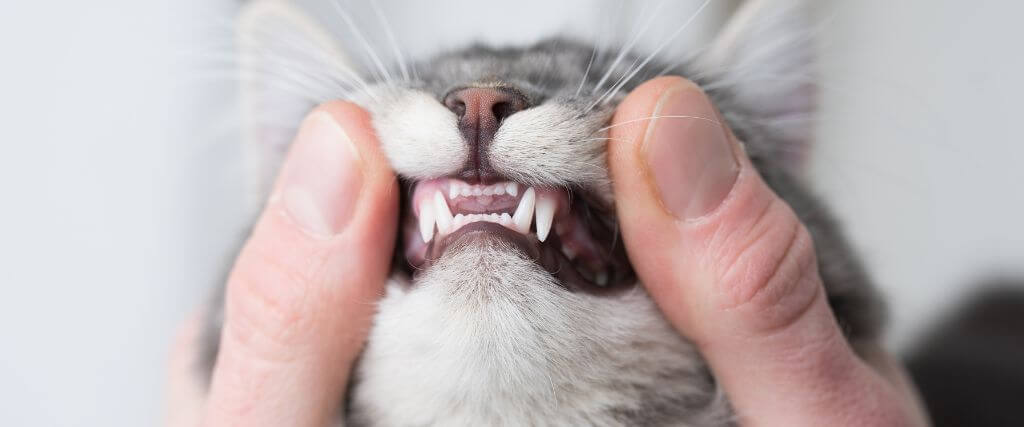
Cats are very good at hiding pain, especially when the problem is inside the mouth. A cat with a painful tooth may still eat, groom, play, and act mostly normal at home. That's one reason feline tooth resorption can go unnoticed until a veterinary exam or dental procedure reveals what has been happening below the gumline. Feline tooth resorption is a painful dental disease where the structure of the tooth begins to break down. It can affect the crown, root, or both, and it may be hidden under the gum tissue where owners cannot see it. By the time a cat shows obvious signs, the tooth may already be significantly damaged. Understanding what tooth resorption is, why it hurts, and how it is diagnosed can help cat owners take dental changes more seriously before eating becomes difficult or discomfort becomes easier to see.
What Is Feline Tooth Resorption?
Feline tooth resorption happens when the body begins breaking down the hard tissues of a tooth. This process can affect enamel, dentin, cementum, and sometimes the root structure. It is not the same as a typical cavity in a person, and it is not something that can be brushed away once it begins.
The exact cause of tooth resorption in cats is not fully understood. Some lesions may be associated with inflammation or other dental disease, but many cases do not have one simple explanation. What owners need to know most is that affected teeth can become very painful, even if the cat does not show clear signs at home. Tooth resorption may affect one tooth or several teeth. It can also progress over time, which is why regular oral exams and dental imaging matter. A tooth may look only mildly abnormal on the surface while deeper damage is present where it cannot be seen during an awake exam.
Why Tooth Resorption Is So Painful for Cats
Teeth are not just hard pieces of bone-like material. They have sensitive inner structures, including dentin and pulp, that can be painful when exposed or damaged. As tooth resorption progresses, the protective outer layers can break down and leave sensitive areas vulnerable. Some cats react sharply when a veterinarian touches an affected tooth during an oral exam. Others do not react much at all, especially if they are anxious, stoic, or already used to chronic discomfort. A quiet cat is not always a comfortable cat. This disease can also create a frustrating situation for owners because the cat may keep eating. Many cats adjust by chewing on one side, swallowing kibble whole, avoiding certain textures, or eating more slowly. Those changes may be subtle enough that they look like normal preference rather than dental pain.
Signs Cat Owners May Notice at Home
Some cats with tooth resorption show obvious mouth discomfort, but many do not. The signs can come and go, and they may be easier to notice during meals. Any change in how your cat eats, chews, or reacts to food should be taken seriously, especially if your cat is middle-aged or older.
- Dropping food while eating
- Chewing on one side of the mouth
- Swallowing kibble without chewing
- Preferring soft food or refusing hard treats
- Chattering the jaw when eating or grooming
- Drooling or pawing at the mouth
- Bad breath, red gums, or bleeding near a tooth
- Hiding, irritability, or reduced interest in play
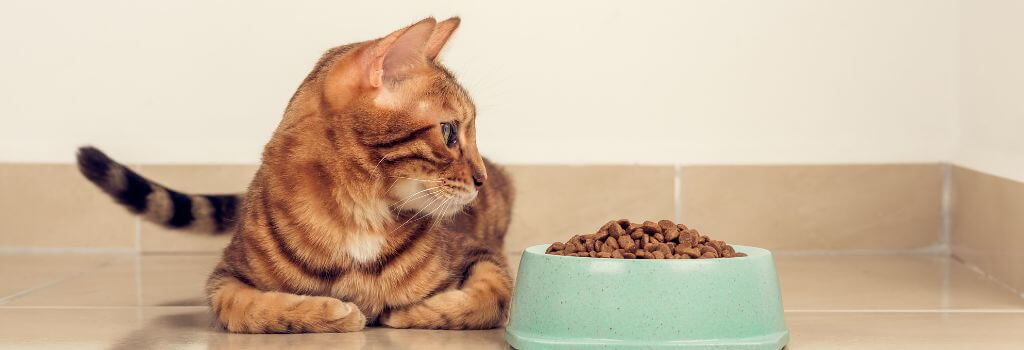
These signs do not prove that a cat has tooth resorption, but they do mean the mouth should be checked. Other dental problems, oral inflammation, broken teeth, periodontal disease, and oral masses can also change how a cat eats or behaves. A veterinary exam is the right next step when mouth pain is possible.
Why Owners Usually Cannot See the Problem
Tooth resorption can be difficult to recognize at home because much of the damage may be hidden below the gumline. A visible tooth may look mostly normal, while the root or deeper tooth structure is already affected. In other cases, the gum tissue may grow over part of the damaged tooth, making the area look like a small red bump rather than a serious dental problem.
Cats also do not usually allow a detailed oral exam at home. Even a cooperative cat may only let you lift the lip for a second. That brief look does not show the back teeth well, does not allow probing around the tooth, and cannot reveal what is happening to the roots.
This is why dental radiographs are so important. They allow the veterinary team to evaluate tooth roots, bone, and the type or stage of resorption. Without imaging, it can be difficult to know whether the tooth needs extraction, whether part of the root is being replaced by bone, or whether other teeth are affected too.
How Veterinarians Diagnose Tooth Resorption
Your veterinarian may first suspect tooth resorption during a physical exam if they see a red defect near the gumline, missing tooth structure, gum tissue overgrowing a tooth, or pain when the area is touched. However, an awake exam is only the starting point. A full dental evaluation is typically done under anesthesia so the team can examine each tooth more closely, clean the teeth, probe around the gumline, and take dental radiographs.
Anesthesia is often the part owners worry about, but it allows the dental team to evaluate the mouth safely and thoroughly. Cats cannot hold still for dental X-rays, probing, or treatment while awake. Trying to do too much in an awake cat can be stressful and still leaves the most important areas unseen.
Dental radiographs also help the veterinarian decide the correct treatment. Tooth resorption is not always treated the exact same way because different types affect the tooth and root differently. Imaging helps avoid incomplete treatment and helps identify other painful teeth that may not be obvious from the outside.
How Feline Tooth Resorption Is Treated
Treatment usually involves removing the painful tooth or addressing the affected crown and root in a way that is appropriate for the type of resorption present. This decision should be based on dental radiographs and the veterinarian’s findings during the oral exam. Since the damaged tooth structure cannot be restored to normal, monitoring a painful affected tooth without treatment is usually not the best path.
Antibiotics or pain medication alone will not fix tooth resorption. They may be used in certain situations around a dental procedure, but they do not rebuild the damaged tooth. The long-term goal is to remove the source of pain and reduce ongoing inflammation or discomfort.
Many cats feel better after painful dental disease is treated, even if they were still eating before the procedure. Owners may notice improved appetite, more interest in play, better grooming, or a brighter attitude once the mouth is no longer bothering them. These changes can be easy to miss until after the pain is gone.
Can Tooth Resorption Be Prevented?
There is no guaranteed way to prevent feline tooth resorption because the exact cause is not fully known. Toothbrushing, dental diets, treats, and routine cleanings can support general oral health, but they cannot promise that resorption will not occur. That does not mean dental care is wasted. It means regular exams are still needed even in cats with clean-looking teeth.
At-home dental care can help reduce plaque and support gum health when your cat tolerates it. However, it cannot replace veterinary dental exams or dental radiographs. A cat may have tooth resorption even when tartar is minimal and the mouth does not look especially dirty.
The best approach is ongoing monitoring. Cats should have their mouths checked during wellness visits, and owners should report eating changes, drooling, bad breath, jaw chattering, or changes in behavior. For cats with a history of tooth resorption, your veterinarian may recommend closer dental follow-up because additional teeth can be affected over time.
If you have questions and you'd like to reach out to us, you can call us directly at (631) 744-2050, or you can email us at [email protected]. Don't forget to follow us on social media Facebook, Instagram.