



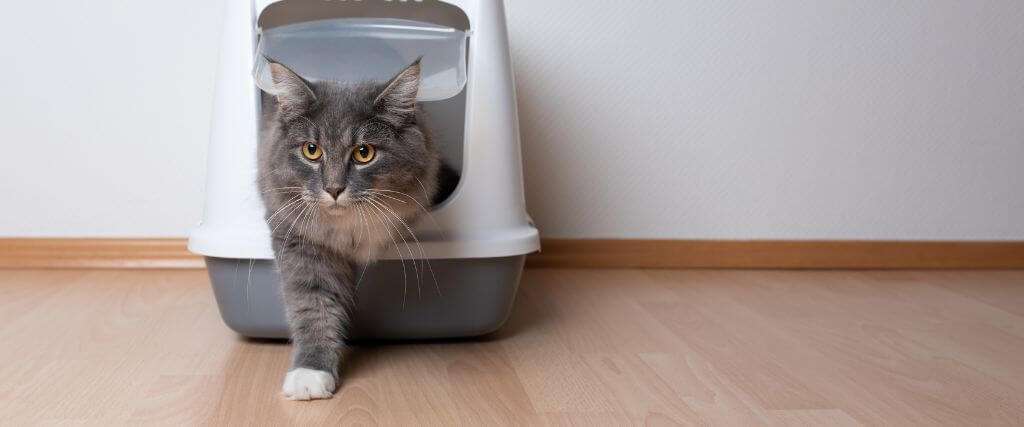
A male cat who keeps going in and out of the litter box may look constipated at first. He may squat, strain, cry, lick himself, or leave little to no urine behind. It's easy to hope he is just having a “bad litter box day,” but if a male cat is trying to urinate and cannot, this is an emergency. Urinary blockage, also called urethral obstruction, happens when urine cannot pass from the bladder through the urethra. Male cats are at higher risk because their urethra is longer and narrower than a female cat’s urethra, which makes it easier for mucus, inflammatory material, crystals, small stones, or swelling to block urine flow. Urethral obstruction is always a true medical emergency that requires immediate veterinary attention, so it's important for cat owners to be able to recognize the signs and know what to do next.
What Is Urinary Blockage in Male Cats?
Urinary blockage occurs when the urethra, the tube that carries urine out of the body, becomes partially or completely blocked. When this happens, the bladder continues to fill, but the cat cannot empty it normally. A complete blockage can quickly become life-threatening because urine, waste products, and electrolyte changes build up in the body. This is different from a simple urinary accident outside the box. A blocked cat is not choosing not to urinate. He is trying to pass urine and cannot, or can only pass a few drops. Some cats may strain repeatedly and produce nothing, while others may leave tiny spots of bloody or discolored urine. Because the signs can look similar to constipation, owners sometimes watch and wait. That delay can be dangerous. If your male cat is straining in the litter box and little or no urine is coming out, he should be seen by a veterinarian or emergency clinic right away.
Why Male Cats Are More Likely to Become Blocked
Male cats are more prone to urinary blockage because of their anatomy. Their urethra is long and narrows as it passes through the penis, which leaves less room for inflamed tissue, mucus, crystals, or stones to pass. Neutered male cats are commonly affected, but any male cat with lower urinary tract disease can be at risk.
Blockages are often associated with feline lower urinary tract disease, or FLUTD. This term describes several problems that can affect the bladder and urethra, including sterile bladder inflammation, stones, crystals, infection, and urethral plugs. The symptoms can overlap, which means you cannot tell the exact cause of the problem just by watching your cat in the litter box. Some cats have inflammation that causes pain and urethral spasm. Others may form stones or plugs made of mucus, crystals, and cellular debris.
Signs of a Urinary Blockage in Cats
The most important warning sign is repeated straining with little or no urine produced. A cat may visit the litter box over and over, stay in the box longer than usual, or cry while squatting. Some cats urinate outside the box because they associate the box with discomfort or because they feel an urgent need to go. As the blockage continues, the cat may become quieter, hide, stop eating, vomit, or seem weak. The abdomen may look tense, and the cat may react if picked up or touched near the belly. According to Merck Veterinary, with complete urethral obstruction, signs of uremia can develop rapidly and may include vomiting, dehydration, hypothermia, and severe depression.
If you're concerned about your cat, be sure to keep an eye out for:
- Frequent trips to the litter box with little or no urine
- Straining, crying, or restlessness while trying to urinate
- Blood in the urine or tiny spots of urine
- Urinating outside the litter box
- Licking the genital area more than usual
- Hiding, low energy, vomiting, or not eating
- Pain, weakness, collapse, or acting disoriented
If you're not sure whether your cat is passing urine, treat the situation as urgent. A cat who is blocked can become very sick before the signs look dramatic. It is safer to have your cat checked and find out he is not blocked than to wait through a true obstruction.

Why Urinary Blockage Becomes Dangerous So Quickly
When urine cannot leave the body, the bladder becomes painfully overfilled. Pressure can build, and the kidneys cannot remove waste products and maintain normal fluid and electrolyte balance the way they should. Electrolyte changes, especially potassium changes, can affect the heart and become life-threatening.
A blocked cat is also in significant pain. Even if he is not crying, he may be sitting hunched, hiding, refusing food, or avoiding interaction. Cats often show discomfort quietly, so a cat who seems “off” after straining in the litter box should not be monitored casually at home.
Without treatment, a urinary blockage can lead to severe illness, bladder damage, kidney injury, and death. The timeline can vary, but this is never a problem to watch overnight. If it's after hours, go to an emergency veterinary hospital.
What Your Veterinarian May Do for a Blocked Cat
A blocked cat needs prompt evaluation. Your veterinarian will examine your cat, feel the bladder, assess hydration and pain, and may recommend bloodwork to check kidney values and electrolytes. Urine testing, imaging, or additional diagnostics may be used once your cat is stable enough.
Treatment usually focuses on relieving the obstruction, correcting dangerous body changes, managing pain, and supporting the bladder while inflammation settles. This may include IV fluids, medications, and placement of a urinary catheter to restore urine flow. Many cats need hospitalization so the veterinary team can monitor urine output, comfort, hydration, and the risk of re-blocking. Once urine is flowing again, the next goal is figuring out why the blockage happened and how to reduce future risk. Some cats need prescription urinary diets, increased water intake, environmental changes, medication, or follow-up testing. A cat who has had a blockage once may be at risk for another blockage, so follow-up care matters.
Can You Treat a Feline Urinary Blockage at Home?
No. A urinary blockage cannot be safely treated at home. You cannot massage the bladder, use a supplement, give fluids by mouth, or wait for a blocked cat to “work it out.” If the urethra is blocked, your cat needs veterinary care to relieve the obstruction and address the changes happening inside the body.
Do not give human pain medication, leftover antibiotics, urinary supplements, or medications prescribed for another pet. Many human medications are unsafe for cats, and antibiotics will not fix a physical blockage. Giving medication at home can delay emergency care and may make treatment more complicated.
If your cat is straining and you are not sure whether urine is coming out, call your veterinarian or emergency clinic and describe exactly what you are seeing. Mention that your cat is male, how many times he has been in the litter box, whether you have seen urine, and whether he is eating, vomiting, hiding, crying, or acting weak.
How to Reduce the Risk of Another Blockage
Not every urinary blockage can be prevented, but there are steps that may help lower the risk once your veterinarian identifies the likely cause. The plan should be based on your cat’s diagnosis rather than a generic urinary supplement or diet change. Some cats need a prescription diet, while others need pain control, stress reduction, weight management, increased water intake, or treatment for stones or infection.
Hydration is often an important part of urinary health. Your veterinarian may recommend canned food, measured water intake, a water fountain, extra water stations, or other strategies to help your cat drink more. Litter box access also matters, especially in multi-cat homes where stress, guarding, or dirty boxes may affect urination habits. Environmental stress can also contribute to some lower urinary tract problems in cats. Helpful changes may include predictable routines, clean litter boxes, safe resting spaces, play opportunities, and reducing conflict between cats. These changes do not replace medical care, but they can support a broader prevention plan when urinary signs keep returning.
Urinary Blockage in Male Cats Is Always an Emergency
A male cat who is straining to urinate and producing little or no urine needs emergency veterinary care. This is not something to monitor for a day, treat with home remedies, or assume is constipation. Urinary blockage can become life-threatening quickly because the bladder cannot empty and dangerous changes can develop inside the body. If your cat is making frequent litter box trips, crying, licking, leaving tiny urine spots, hiding, vomiting, refusing food, or acting weak, call your veterinarian or go to an emergency clinic immediately. Fast treatment can relieve pain, restore urine flow, and give your cat the best chance of recovery. When it comes to a suspected blockage, it is always better to be told you came in early than to arrive too late.
If you have questions and you'd like to reach out to us, you can call us directly at (631) 744-2050, or you can email us at [email protected]. Don't forget to follow us on social media Facebook, Instagram.